Tips & advice

Plumbing Blog

Practical guides and advice from our licensed plumbers — helping you understand your home and avoid costly surprises.

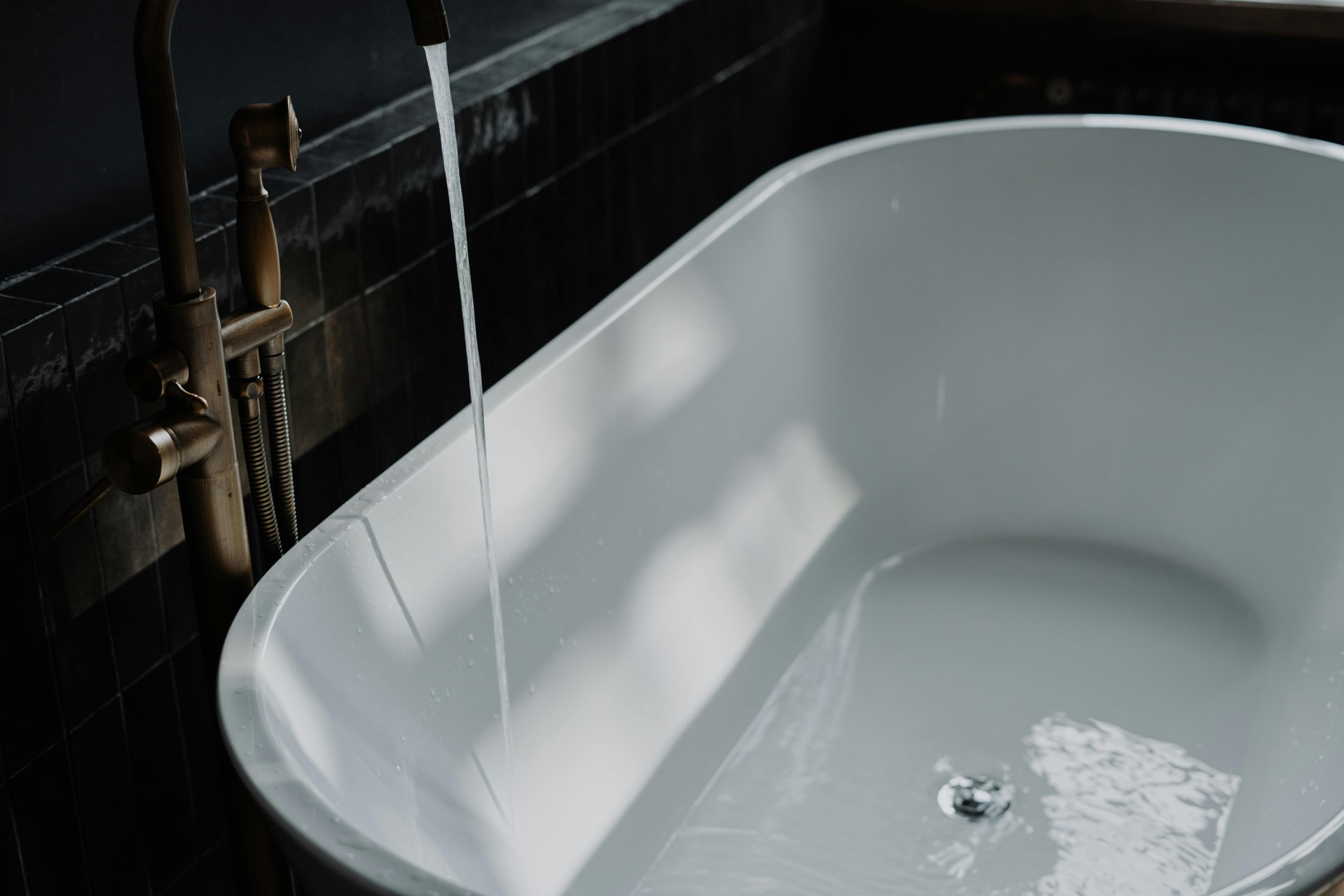
Plumber working on a hot water system
Hot Water
FlowPro Team
12 March 2025
5 min read

How to Choose the Right Hot Water System for Your Home

Your hot water system is one of the hardest-working appliances in your home — and when it fails, you feel it immediately. Choosing the right replacement isn't just about upfront cost. Running costs, household size, and your energy setup all play a role. Here's what you need to know.

Gas hot water systems

Gas systems remain the most popular choice in Melbourne homes connected to the mains gas network. They heat water quickly, perform well in cold weather, and are generally cheaper to run than standard electric systems. Continuous flow (instantaneous) gas units only heat water on demand, which means no storage tank and no standby heat loss — making them highly efficient for most households.

Electric hot water systems

Electric storage systems are the most affordable to purchase and install, but they tend to have higher running costs. Off-peak electric tariffs can reduce this significantly if your system is set up to heat overnight. For homes without gas connections, electric systems remain a practical and reliable option — particularly in smaller households.

Heat pump systems

Heat pumps extract heat from the surrounding air to warm your water — using up to 70% less electricity than a conventional electric storage system. They're eligible for government rebates under the Victorian Energy Upgrades scheme, which can substantially reduce the upfront cost.

Solar hot water

Solar hot water systems use roof-mounted collectors to capture the sun's energy and transfer it to a storage tank. They can dramatically reduce your energy bills and pair well with existing solar panel setups. A gas or electric booster handles demand on overcast days.

Pro tips
  • Check if you're eligible for a Victorian Energy Upgrades rebate before purchasing — it can save hundreds on a heat pump system.
  • If your system is over 10 years old, consider replacing it proactively rather than waiting for it to fail.
  • Continuous flow gas systems are ideal for families — you'll never run out of hot water.

Choosing the right hot water system is a long-term decision — most systems last 10–15 years. If you're unsure which type suits your home, give us a call and we'll recommend the best fit for your household and budget.
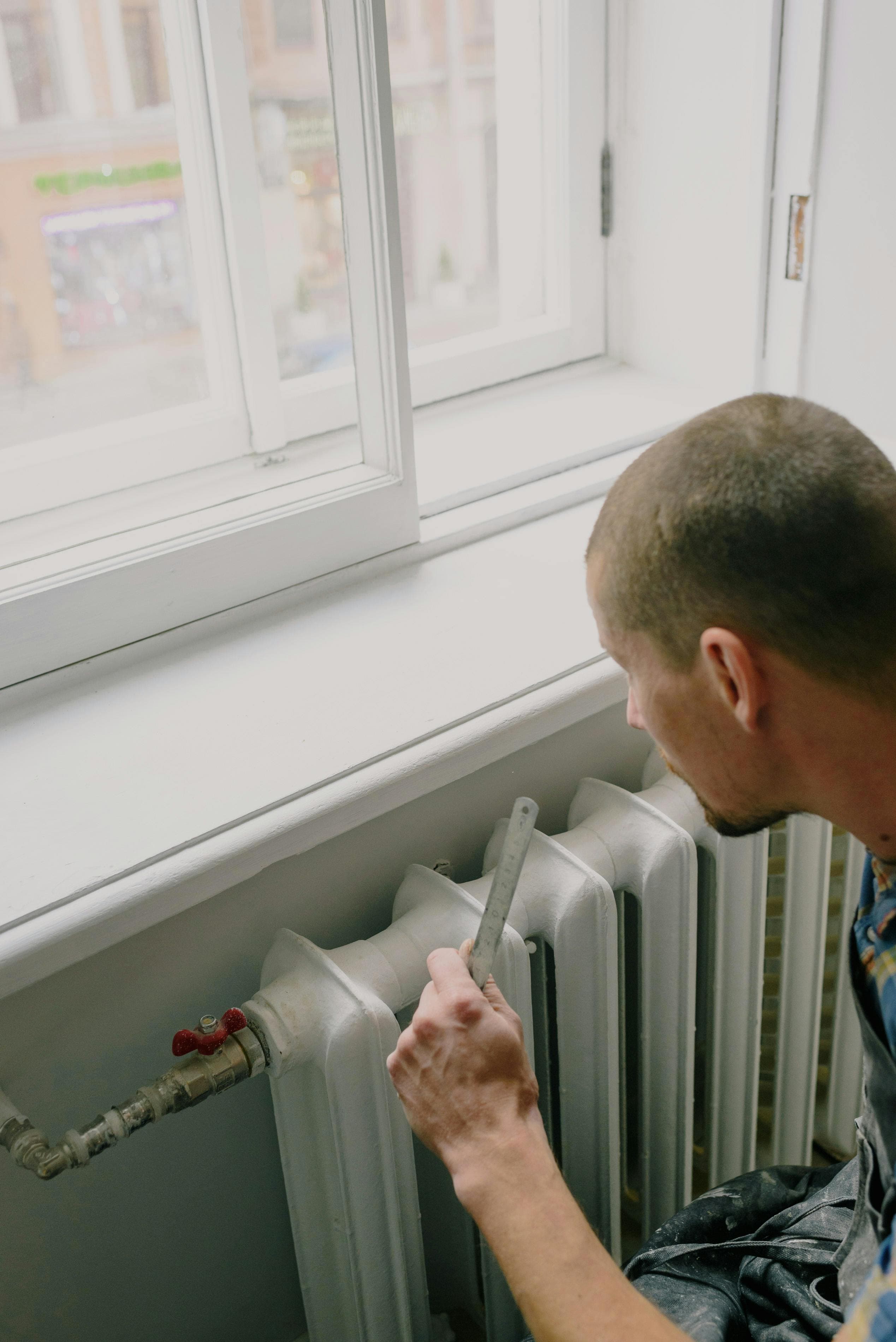
Plumber working on an indoor heating unit
Heating
FlowPro Team
28 February 2025
4 min read

The Link Between Your Heating System and Your Plumbing

When most people think about plumbing, they think about water — taps, pipes, drains. But your home's heating system is often just as dependent on your plumbing as your kitchen sink. Understanding that connection can help you avoid breakdowns, reduce running costs, and know when to call a licensed plumber.

How hydronic heating works

Hydronic heating systems circulate hot water through a network of pipes to radiators or in-slab tubing beneath your floors. Because the system is essentially a closed-loop plumbing network, issues like leaks, pressure drops, air locks, and corrosion are all within a plumber's scope of work.

Common hydronic heating problems

The most frequent issues we see are loss of pressure (often caused by a slow leak), cold spots in radiators (caused by trapped air or sludge build-up), and noisy pipes (usually a sign of scale or circulation pump issues). Many of these are straightforward to fix.

Gas heater connections

Whether it's a ducted gas heater, a wall furnace, or a gas log fire, the connection to your gas supply must be carried out by a licensed gas fitter. If your heater is making unusual noises, failing to ignite, or you can smell gas, turn off the supply at the meter and call us immediately.

Preparing your heating for winter

The best time to service your heating system is autumn — before you need it. A pre-winter check should include inspecting the boiler, checking system pressure, bleeding radiators, and testing the thermostat. Catching a small issue in April is far less disruptive than losing heat in July.

Pro tips
  • Bleed your radiators at the start of each heating season to remove trapped air — it takes less than 5 minutes.
  • If your hydronic system pressure keeps dropping, you likely have a small leak — don't just keep topping it up.
  • Never attempt to work on gas connections yourself. Even small errors can have serious consequences.

A well-maintained heating system should last 15–20 years with minimal issues. If your system is underperforming or hasn't been serviced in a while, get in touch — we can assess it and give you an honest appraisal of what it needs.

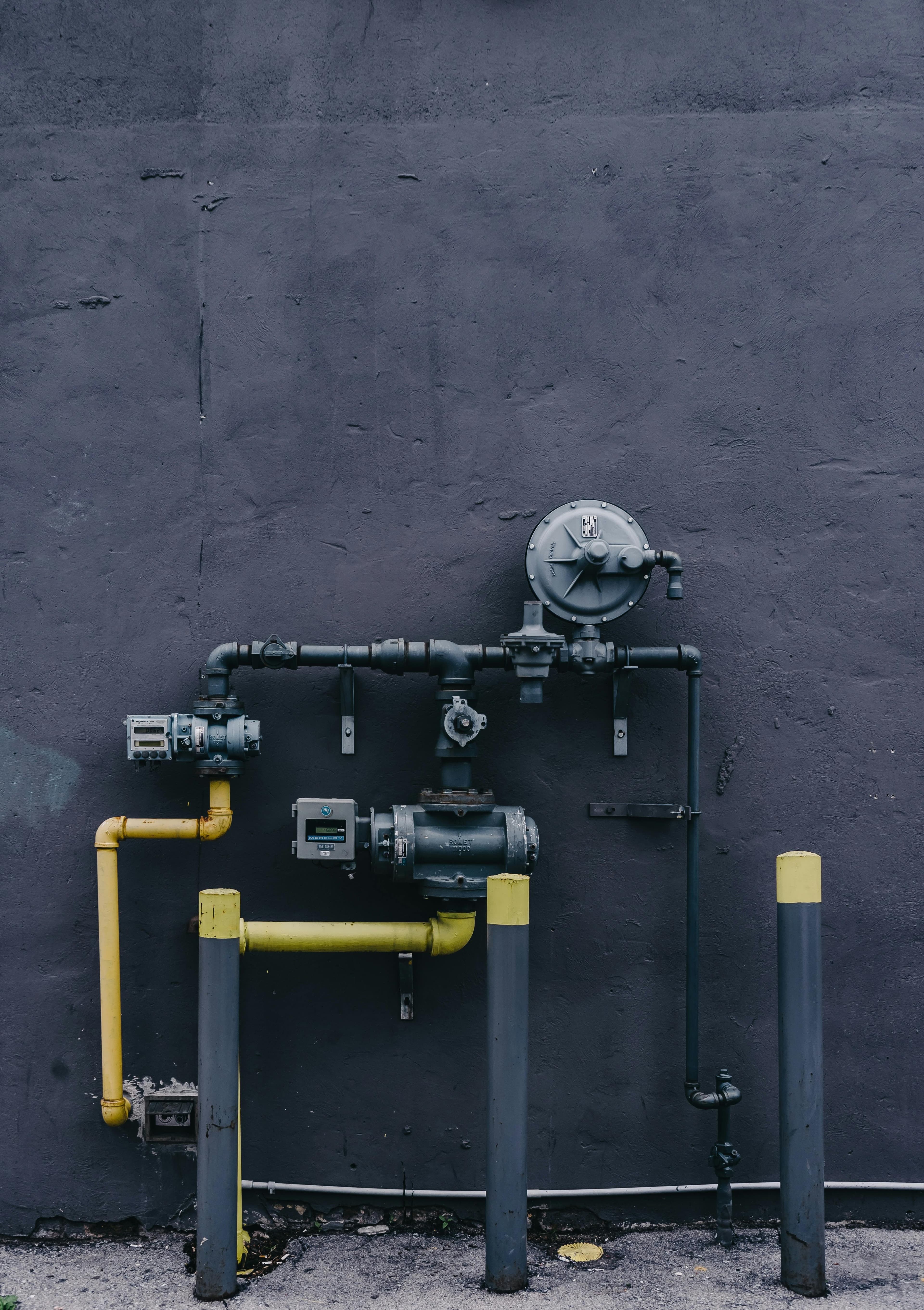
Outdoor plumbing pipes and valves
Maintenance
FlowPro Team
14 February 2025
6 min read

Outdoor Plumbing: Why Your Valves Matter More Than You Think

Most homeowners know where their front door is. Fewer know where their main water shut-off valve is — and that gap in knowledge can turn a minor plumbing incident into a major flood. Your outdoor plumbing and its associated valves are the control points of your entire water supply.

The main stop tap

Every property has a main stop tap — typically located near the front boundary, often in a small underground box. This valve controls all water entering your property. If a pipe bursts inside your home, this is the first thing you turn off. Take five minutes to find yours and make sure it turns freely.

Isolation valves

Isolation valves are fitted to individual appliances and fixtures — your dishwasher, washing machine, toilets, and taps all typically have one nearby. They let you shut off water to a single fixture without cutting supply to the whole house.

Pressure limiting valves

High water pressure is one of the leading causes of premature wear on tap washers, appliance hoses, and pipe joints. A pressure limiting valve regulates your incoming pressure to a safe level. If you're constantly replacing tap washers, a faulty PLV may be the cause.

Backflow prevention devices

Backflow prevention devices stop contaminated water from flowing backwards into the drinking supply. They're required in many residential properties with irrigation systems or pools, and need to be tested annually by a licensed plumber.

Pro tips
  • Locate and label your main stop tap now — before you ever need it in a hurry.
  • Test your isolation valves annually — valves that haven't been turned in years can seize.
  • If your water pressure feels unusually high, ask your plumber to check your pressure limiting valve.

Outdoor plumbing is out of sight and out of mind — until something goes wrong. If you're unsure about the condition of your valves or drainage setup, we're happy to carry out an inspection and give you a clear picture of where things stand.

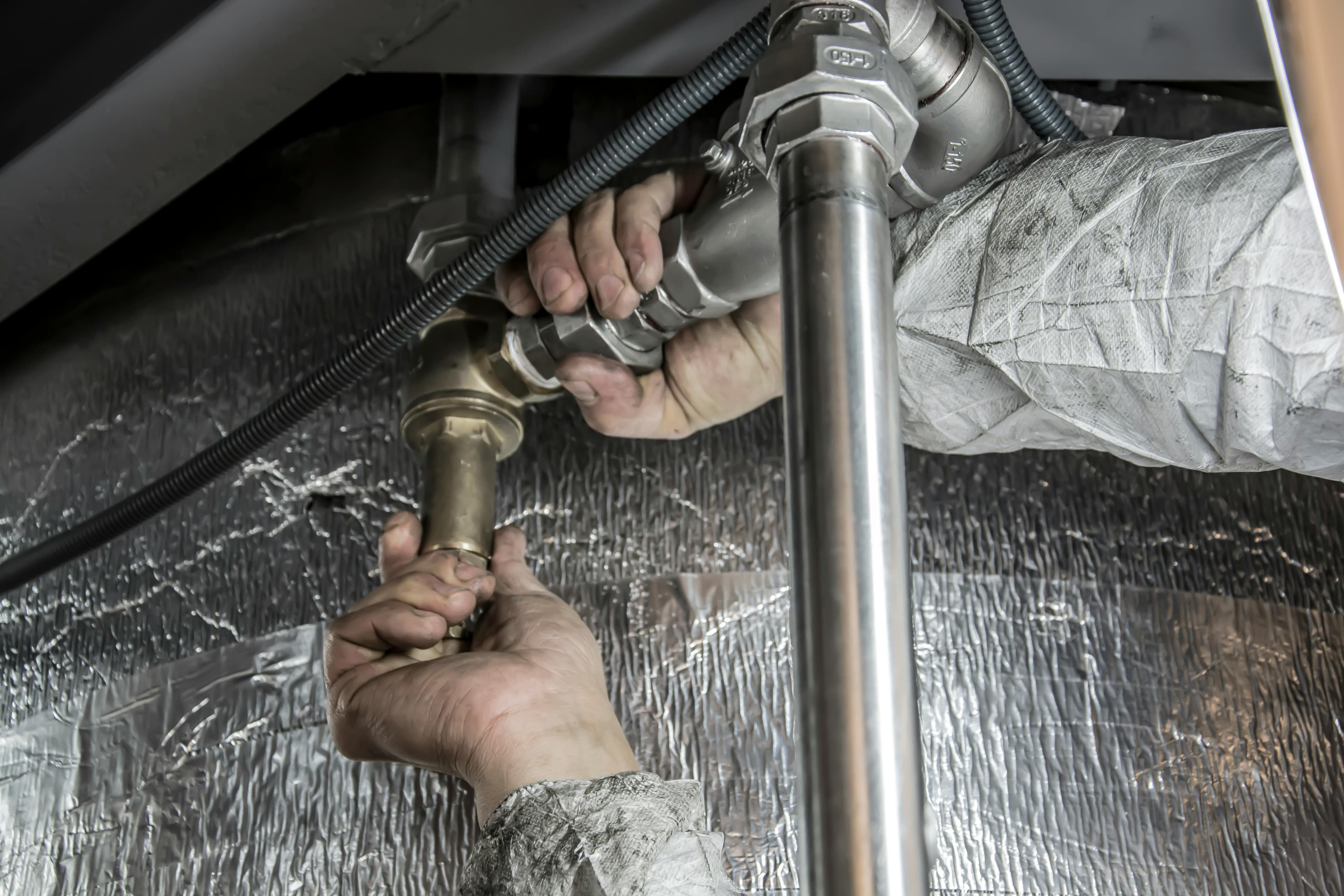
Plumber's hands working on metal pipes
Repairs
FlowPro Team
3 February 2025
4 min read

Pipe Repairs: What to Expect When You Call a Plumber

Calling a plumber for a pipe repair can feel uncertain — what will they need to access, how long will it take, will they need to open walls? We believe transparency makes for better outcomes, so here's an honest walkthrough of what a typical pipe repair looks like with us.

Step 1: The initial call

When you call us, we'll ask a few questions to understand the issue — is there active water loss, what type of pipe is involved, and how long has the problem been present. This helps us arrive with the right tools and parts, and give you a rough cost indication before we even arrive.

Step 2: On-site inspection

Our plumber will carry out a proper assessment before any work begins — checking water pressure, running water to locate the leak, or using moisture detection equipment for hidden leaks. We'll explain what we've found and walk you through the recommended repair.

Step 3: Clear quote, then work

Before any work starts, we provide a written quote. If the job turns out to be more complex once we open things up, we stop, explain the situation, and get your approval before proceeding. You're always in control.

Step 4: Testing and sign-off

Once the repair is complete, we test the system under pressure to confirm there are no remaining leaks. We check nearby fittings and joints, walk you through the work done, and provide any required compliance certificates before we leave.

Pro tips
  • If you have a burst pipe, turn off your main stop tap immediately to limit damage while you wait.
  • Take photos of any water damage before the plumber arrives — useful for insurance claims.
  • If one section of old pipe has failed, ask about a broader inspection — nearby sections may be in a similar condition.

Pipe repairs don't have to be stressful. With clear communication and the right tools, most jobs are resolved in a single visit with minimal disruption. Got a leak — big or small — give us a call and we'll get it sorted.